
Arts-Based Learning in International Schools: Language, Belonging, and Practice
- FrameShift Collective
- Jan 8
- 2 min read

International schools bring together students with different languages, cultures, and lived experiences. This diversity is a strength, but it can also bring challenges around communication, confidence, and belonging. Arts-based learning offers practical ways for students to connect and learn together when language and experience are not shared.
For students learning in an additional language, creative practice provides accessible entry points. Physical theatre, storytelling, visual imagery, and improvisation allow students to participate meaningfully before they feel fully confident with words. Movement, gesture, and shared creative tasks reduce pressure and help confidence grow over time. In practice, this might look like students devising short scenes through movement and image, or using objects and visuals to explore ideas before shaping spoken text together.
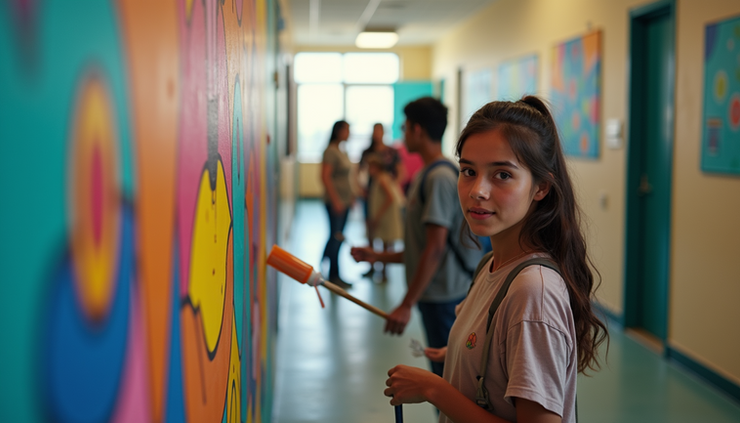
Arts-based learning also supports belonging. For students who have moved countries or joined new school communities, theatre and storytelling create space to connect personal experience with wider cultural and social ideas.
Collaborative creative work builds empathy and understanding within a group. For example, students might explore themes such as identity, home, or belonging through devised scenes or storytelling tasks, sharing perspectives that are then reflected back by the group.
Creative practice depends on listening, cooperation, and shared decision-making. In rehearsal rooms and studios, students contribute in different ways, developing a sense of belonging rooted in participation rather than fluency or confidence alone. This can include taking on roles such as directing, design, movement, or facilitation, allowing students to find meaningful ways into the work.
Arts learning also connects students to the cultural environments around them. Working with artists, visiting museums, and responding to cultural spaces helps students understand the places they live in and situate their own experiences within a wider context. In the Netherlands, this connects closely with approaches such as CKV, where reflection and engagement with cultural institutions are central. Projects might combine workshops with cultural visits, followed by time to reflect creatively on questions of authorship, ownership, and cultural expression.
FrameShift works with international schools to integrate arts-based learning into everyday practice through creative workshops, drama lessons, curriculum resources, professional learning, and cultural partnerships.

Comments